Jan. 31, 2025

Timing The Market

Time in the Market Beats Trying to Time the Market

If you’re trying to decide whether to buy a home now or wait for mortgage rates to come down, here’s something to consider: the longer you wait, the more equity you may miss out on.


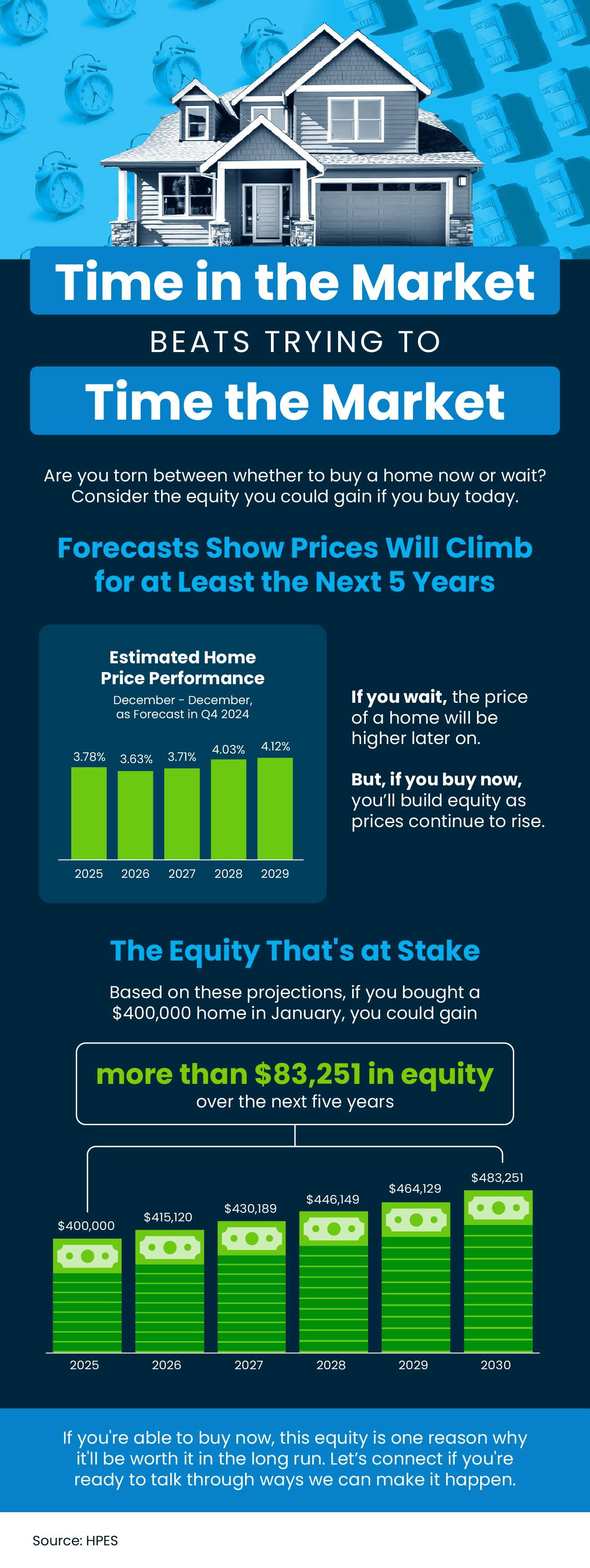
Home prices are projected to climb steadily over the next five years, and buying now positions you to benefit from this growth. According to expert forecasts, if you were to purchase a $400,000 home today, you could see an equity gain of over $83,000 in just five years. That’s a significant boost to your financial future — one that waiting might cost you.

Why Buying Now Makes Sense

The housing market is driven by both home prices and mortgage rates. While mortgage rates might feel high right now, the rising prices of homes could make waiting even more expensive. Here’s why:

  • Steady Price Increases: Experts predict home values will continue to rise annually, adding to the overall cost of buying in the future.
  • Building Equity Early: By buying sooner, you’re starting to build equity immediately, giving you a financial advantage as prices rise.

What’s at Stake

For example, purchasing a $400,000 home now could grow your investment significantly. With projected price growth, your home might be worth $483,251 by 2030. That’s more than $83,000 in equity you’d miss out on if you waited.

Plan Your Move Today

If you’re ready to explore your options, let’s connect. We can help you create a plan to navigate today’s market and find the perfect home for your needs. Together, we can position you to make the most of your investment and reap the rewards for years to come.

Posted in For Buyers
Jan. 10, 2025

What To Save for When Buying a Home


Knowing what to budget for when buying a home may feel intimidating — but it doesn’t have to be. By understanding the costs you may encounter upfront, you can take control of the process.

Here are just a few things experts say you should be thinking about as you plan ahead.

1. Down Payment

Saving for your down payment is likely top of mind. But how much do you really need? A common misconception is that you have to put down 20% of the purchase price. But that’s not necessarily the case. Unless it’s specified by your loan type or lender, you don’t have to. There are some home loan options that require as little as 3.5% or even 0% down. An article from The Mortgage Reports explains:

"The amount you need to put down will depend on a variety of factors, including the loan type and your financial goals. If you don’t have a large down payment saved up, don’t worry—there are plenty of options available . . ."

A trusted lender will go over the various loan types with you, any down payment requirements on those, and down payment assistance programs you may qualify for. The more you know ahead of time, the easier the process will be. And the key to getting the information you need is working with a pro to see what’ll work best for your situation.

2. Closing Costs

Make sure you also budget for closing costs, which are a collection of fees and payments made to the various parties involved in your transaction. Bankrate explains:

“Mortgage closing costs are the fees associated with buying a home that you must pay on closing day. Closing costs typically range from 2 to 5 percent of the total loan amount, and they include fees for the appraisal, title insurance and origination and underwriting of the loan.”

When it comes to closing costs, a trusted lender can guide you through specifics and answer any questions you may have. They can also give you a better idea of how much you should be prepared to pay so you can cruise through your closing with confidence.

And as you plan ahead for closing day, be sure to budget for your real estate agent's professional service fee too, in case the seller doesn't cover it. But don’t worry, you’ll work with your agent ahead of time to agree on what this is, so you won't be surprised at the finish line.

3. Earnest Money Deposit

And if you want to cover all your bases, you can also consider saving for an earnest money deposit (EMD). According to Realtor.com, an EMD is typically between 1% and 2% of the total home price and is money you pay as a show of good faith when you make an offer on a house.

But, it’s not an added expense. Instead, it works like a credit and goes toward some of your upfront costs. You’re simply using some of the money you’ve already saved for your purchase to show the seller you’re committed and serious about buying their house. Realtor.com describes how it works as part of your sale:

It tells the real estate seller you’re in earnest as a buyer . . . Assuming that all goes well and the buyer’s good-faith offer is accepted by the seller, the earnest money funds go toward the down payment and closing costs. In effect, earnest money is just paying more of the down payment and closing costs upfront.”

Keep in mind, this isn’t required, and it doesn’t guarantee your offer will be accepted. It’s important to work with a real estate advisor to understand what’s best for your situation and any specific requirements in your local area. They’ll advise you on what moves you should make so you can make the best possible decisions throughout the buying process.

Bottom Line

The key to a successful homebuying savings strategy? Being informed about what you need to save for. Because, when you understand what to expect, you can plan ahead. With an expert agent and a trusted lender, you’ll have the information you need to move forward with confidence.


Posted in For Buyers
Jan. 2, 2025

Fresh Year, Fresh View


The champagne has been popped, the resolutions are set, and the calendar has flipped to a brand new year. It’s a time for fresh starts and new beginnings, and if you’ve been dreaming of coastal living, 2025 might just be the year to make that dream a reality in beautiful Myrtle Beach, South Carolina.

Myrtle Beach, known for its stunning beaches, vibrant entertainment scene, and laid-back lifestyle, is more than just a vacation destination. It’s a place many are now calling home, and for good reason. Here's why you might want to consider making a move to this coastal gem in the new year:

1. The Allure of Coastal Living:

Imagine waking up to the sound of the waves, spending your weekends strolling along the beach, and enjoying stunning sunrises and sunsets from your own balcony. Myrtle Beach offers a lifestyle that's hard to beat. The mild climate allows for outdoor activities year-round, and the relaxed pace of life is a welcome change for many.

2. Real Estate Opportunities:

The Myrtle Beach real estate market offers a diverse range of options to suit every taste and budget. From charming beachfront condos to spacious family homes, and from golf course communities to historic districts, there’s something for everyone. While the market is dynamic, savvy buyers can find great value, especially with the potential for appreciation in this growing area.

  • Condos: Perfect for those seeking a low-maintenance lifestyle or a vacation home.

  • Single-Family Homes: Offering space and privacy, ideal for families and those looking for a primary residence.

  • Luxury Properties: Featuring high-end amenities and stunning views for selective buyers.

  • Investment Opportunities: With a strong rental market, properties in Myrtle Beach can offer excellent investment potential.

3. A Vibrant Community:

Beyond the beaches, Myrtle Beach is a vibrant community with plenty to offer. From world-class golf courses to exciting entertainment venues, and delicious restaurants to unique boutiques, there's always something to do. The area hosts numerous festivals and events throughout the year, making it a fun and engaging place to live.

4. Strong Economy and Job Growth:

Myrtle Beach’s economy is robust, with a growing job market, particularly in hospitality, tourism, and healthcare. This stability can make purchasing a home a sound investment. The growth of the area indicates a continued upward trend in the housing market, making it a smart long-term decision.

5. More Than Just a Vacation:

While Myrtle Beach is a popular tourist destination, living here offers a deeper sense of community and belonging. You get to experience the beauty of the area without the crowds of peak season and enjoy a more relaxed pace of life.

Tips for Buying in 2025:

  • Work with a Local C21 Boling Realtor: A local real estate professional who knows the market well is invaluable. They can provide insights, and guidance, and help you navigate the buying process effectively.

  • Get Pre-Approved: Knowing your budget upfront is crucial. Getting pre-approved for a mortgage will streamline your search and make you a stronger buyer.

  • Do Your Research: Explore different neighborhoods, understand local market conditions, and take time to visit properties you are interested in.

Ready to Start Your Coastal Chapter?

If you've been contemplating a move to the coast, 2025 might be the perfect year to make it happen. Myrtle Beach offers a unique blend of natural beauty, a vibrant community, and diverse real estate opportunities. Take the first step towards your dream of coastal living. Contact us today to discuss your real estate goals and let us help you find the perfect place to call home in Myrtle Beach!

Oct. 11, 2024

Steady Prices, Big Demand!

Two Reasons Why the Myrtle Beach Housing Market is Still Going Strong

There’s been a lot of buzz lately about the housing market, and it’s easy to wonder what’s next. But if you’re in the Grand Strand, the outlook is pretty sunny! Here are two key reasons why the Myrtle Beach housing market is holding up and why it’s still a great time to buy or sell.


Let’s face it—who wouldn’t want to live in Myrtle Beach? Between our stunning beaches, outdoor lifestyle, and growing community, more people are looking to call the Grand Strand home. Families are settling in near top schools, retirees are ready to enjoy ocean views, and vacationers are even turning into permanent residents. This high demand is keeping our housing market strong, and there simply aren’t enough homes on the market to keep up! When supply is low and demand is high, prices tend to stay steady, so sellers, you’re still in a great spot.


Remember the housing crash of 2008? A lot of that had to do with risky lending practices and people getting into homes they couldn’t afford. Fast forward to today, and things are different—way different. Lending standards are much stricter now, and buyers are more financially secure. This means fewer foreclosures, a more stable market, and less risk for everyone involved. So whether you’re buying or selling, the Myrtle Beach real estate market is much more secure than it was back then.

At the end of the day, Myrtle Beach real estate is still a strong investment. With plenty of buyers looking for homes and safer lending practices in place, there’s no reason to worry about a market crash here. Whether you're buying your first home, upgrading, or selling your property, CENTURY 21 Boling is here to guide you through every step. We know the Grand Strand inside and out, and we’re ready to help you ride the wave of success in this great market!

April 1, 2024

The Prime Listing Week for Your Home is Approaching Fast

Are you contemplating a change of scenery? Now might be the golden opportunity to embark on that journey. According to industry insiders, the most opportune moment to list your property is rapidly approaching.

A detailed analysis by Realtor.com, examining housing market dynamics over the past few years (2020 excluded due to its atypical nature), pinpointed this year's prime listing period as April 14-20:

“Every year, one week stands out from the rest as that perfect stretch of time when it’s great to be a home seller. This year, the week of April 14–20 is the best time to sell—that is, if sellers want to see lots of interest in their homes, sell quickly, and pocket some extra cash, according to Realtor.com® data.”

Why is this significant for you? Although the spring season is always a favorable time to sell, targeting this specific week could be the strategic advantage you've been waiting for. If you've been hesitant or postponing your decision to sell, consider this your gentle push toward realizing your plans. Hannah Jones, a seasoned Economic Research Analyst at Realtor.com, sheds light on this:

“The third week of April brings the best combination of housing market factors for sellers. The best week offers higher buyer demand, lower competition [from other sellers], and fewer price reductions than the typical week of the year.”

However, acting swiftly and seeking professional guidance is crucial. Your local real estate agent can be an invaluable resource in planning your home's preparation and listing. They can provide tailored advice to ensure your home is market-ready, balancing necessary repairs and renovations with your desired listing timeline.

For instance, if your home is already in prime condition, you can concentrate on minor enhancements that are straightforward yet significantly boost appeal. As per Investopedia:

“You won’t have time for any major renovations, so focus on quick repairs to address things that could deter potential buyers.”

Here are some Examples from the article:

It's important to remember that if you're not prepared to list in the next few weeks, there's no need to worry. The favorable conditions for sellers don't vanish after this week. With spring being the peak season for home buying and the market still favoring sellers, you'll have control throughout the season.

**In Conclusion** 

Eager to start this process? Reach out to us, and let's arrange a meeting to discuss your next steps.

Posted in For Sellers
Feb. 15, 2022

Top Dollar for your Home/Condo

Want Top Dollar for Your House? Now’s the Time To List It.

Want Top Dollar for Your House? Now’s the Time To List It. | MyKCM

When you’re selling any item, you usually want to sell it for the greatest profit possible. That happens when there’s a strong demand and a limited supply for that item. In the real estate market, that time is right now. If you’re thinking of selling your house this year, here are two reasons why now’s the time to list.

1. Demand Is Very Strong This Winter

recent article in Inman News explains:

“Spring, the hottest time of year for homebuyers and sellers, has started early, according to economists. . . . ‘Home shopping season appears to already be in full swing!’”

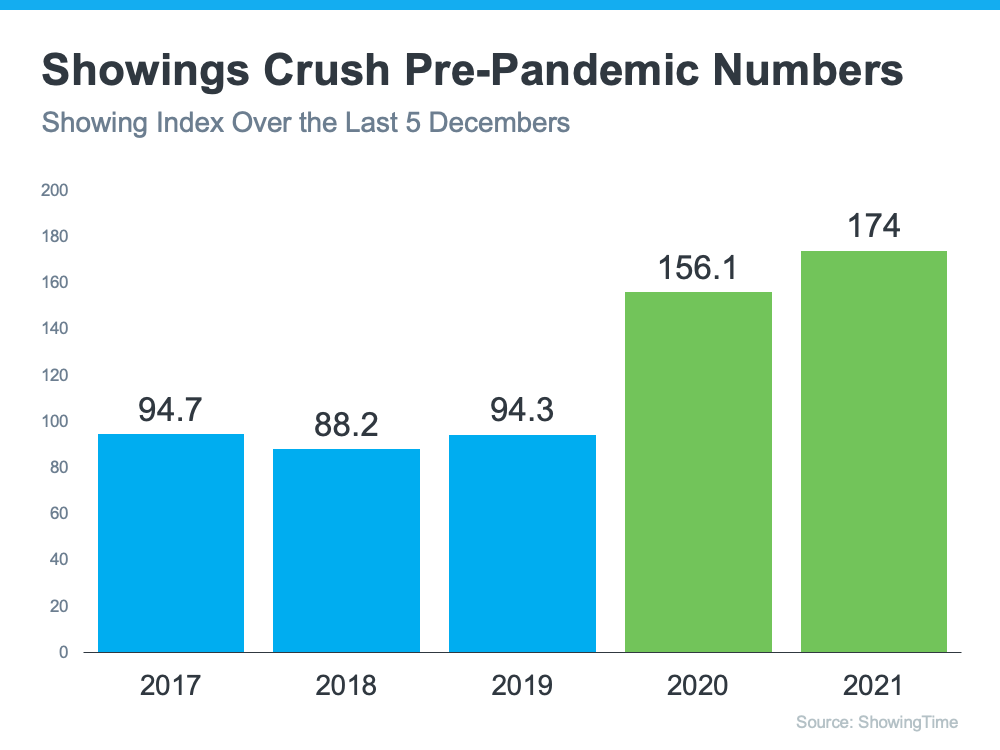
And they aren’t the only ones saying buyers are already out in full force. That claim is backed up with data released last week by ShowingTime. The ShowingTime Showing Index tracks the average number of monthly buyer showings on active residential properties, which is a highly reliable leading indicator of current and future trends for buyer demand. The latest index reveals this December was the most active December in five years (see graph below):

Want Top Dollar for Your House? Now’s the Time To List It. | MyKCM

As the data indicates, buyers are very active this winter. Last December saw even more showings than December of 2020, which was already a stronger-than-usual winter. And remember – you want to sell something when there’s a strong demand for that item. That time is now.

2. Housing Supply Is Extremely Low

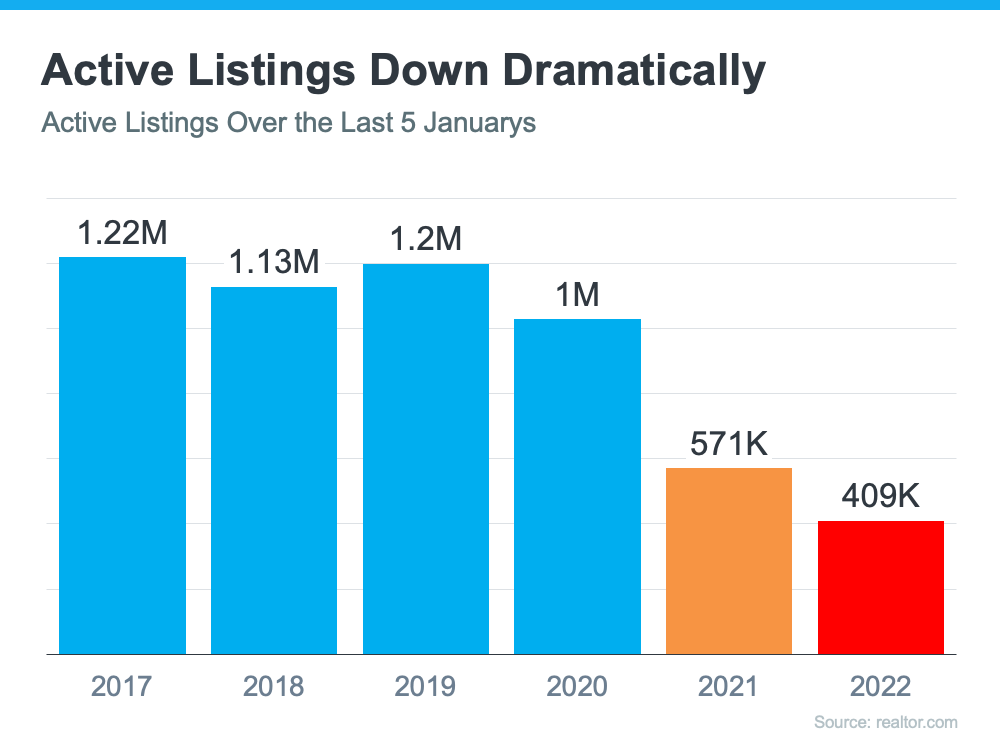
Each month, realtor.com releases data on the number of active residential real estate listings (listings currently for sale). Their most recent report reveals the latest monthly number is the lowest we’ve seen in any January since 2017 (see graph below):

Want Top Dollar for Your House? Now’s the Time To List It. | MyKCM

And don’t forget, the best time to sell an item is when there’s a limited supply of it available. This graph clearly shows how extremely low housing supply is today.

Even Though Supply Is at a Historic Low, Home Sales Are at a 15-Year High

According to the latest Existing Home Sales Report from the National Association of Realtors (NAR), existing-home sales totaled 6.12 million in 2021 – the highest annual level since 2006. This means the market is hot and homeowners are in a great place to sell now while sales are so strong.

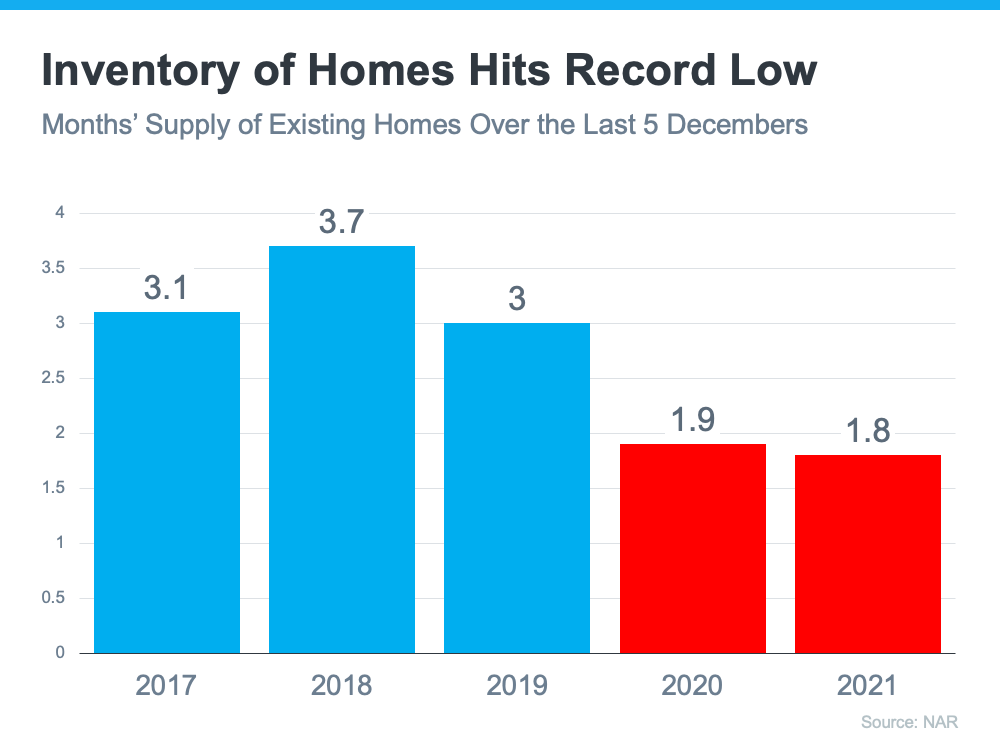
NAR also reports available listings by calculating the current months’ supply of inventory. They explain:

“Months’ supply refers to the number of months it would take for the current inventory of homes on the market to sell given the current sales pace.”

The current 1.8-months’ supply is the lowest ever reported. Here are the December numbers over the last five years (see graph below):

Want Top Dollar for Your House? Now’s the Time To List It. | MyKCM

The ratio of buyers to sellers favors homeowners right now to a greater degree than at any other time in history. Buyer demand is high, and supply is low. That gives sellers like you an incredible opportunity.

Bottom Line

If you agree the best time to sell anything is when demand is high and supply is low, let’s connect to begin discussing the process of listing your house today.

Posted in For Sellers
Feb. 7, 2022

Consumers Agree: It’s a Good Time To Sell

Consumers Agree: It’s a Good Time To Sell

Consumers Agree: It’s a Good Time To Sell | MyKCM

In today’s sellers’ market, many homeowners are weighing their options and trying to decide if they should sell their house. If you’re in that group, you may be balancing things like the ongoing health crisis, rising mortgage rates, and your own changing needs to determine your best time to make a move.

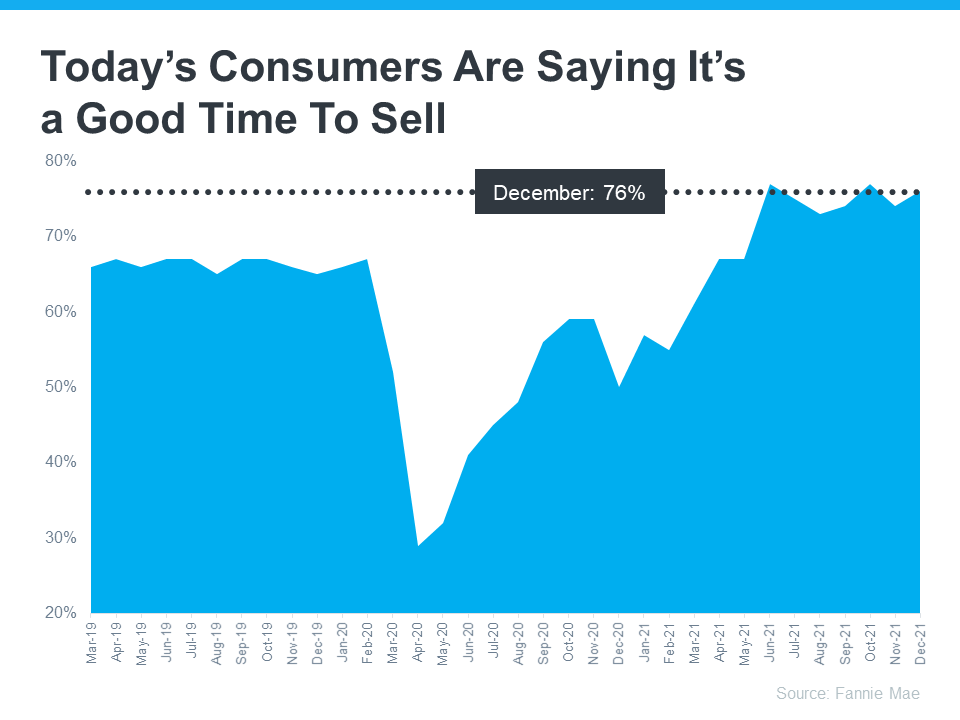
However, recent data shows that time may already be here. According to the latest Home Purchase Sentiment Index (HPSI) by Fannie Mae76% of consumers believe now is a good time to sell.

Looking back over the past few years, its clear consumers are incredibly optimistic today. The graph below shows the percent of survey respondents who say it’s a good time to sell a house, and their positive outlook is on the rise. The big dip near the middle of the chart indicates how consumer sentiment about selling dropped at the beginning of the pandemic as uncertainty about the health crisis and its impact grew. The good news is, the trend today shows a continued, drastic improvement, and people are feeling more and more confident with time about selling a home.

In fact, survey respondents think it’s an even better time to sell a house today than they did in the lead-up to the health crisis. The latest survey results indicate we’re at one of the strongest peaks in seller sentiment since March of 2019, hitting highs when 77% of people thought it was a good time to sell only twice before in June and October of 2021.

Consumers Agree: It’s a Good Time To Sell | MyKCM

Why Are Consumers So Optimistic About Today’s Housing Market?

From record-high equity gains to record-low housing supply and significant buyer demand, homeowners have more motivation than ever to sell. There are more buyers in today’s market than there are homes for sale, and that’s driving home prices up, making it a great time to sell your house.

According to the National Association of Realtors (NAR), the current supply of homes for sale today is at a 1.8-month supply, which is an all-time low. When the supply of homes for sale is low, sellers will likely see more offers, which is exactly what’s happening right now. As NAR notes:

“The average home for sale is receiving 3.8 offers today, up from 3.3 offers just one year ago.”

Bottom Line

With the inventory of houses for sale so low today pushing home prices in an upward direction, it’s no wonder consumers think it’s a good time to sell. If you’re ready to take advantage of today’s favorable sellers’ market, let’s connect today.

Posted in For Sellers
Jan. 27, 2022

Are You a Homeowner Thinking About Climate Change?

Are You a Homeowner Thinking About Climate Change?


Americans are more aware than ever of the effects climate change and natural disasters can have on their homes. According to a report from realtor.com:

More than 3 in 4 recent buyers, 78%, took [natural disasters] into account when choosing the locations of their homes, . . .”

The study also found that many existing homeowners (34%) have already considered selling their houses and moving to a new location because of the changing climate. If you’re like those homeowners and are weighing your options about what to do next, here’s some information to keep in mind as you begin the process of selling your existing house and searching for your new home.

Do Your Research and Work with a Real Estate Advisor To Find a Home That Meets Your Needs

As a homeowner, it’s impossible to control what types of weather events your home is exposed to. As Maiclaire Bolton Smith, Senior Leader of Research and Content Strategy for CoreLogicsays:

“You can’t necessarily remove the location from around you, but there are things you can do to mitigate damage that can happen.”

The first step is understanding how to navigate your home sale and purchase with these specific issues in mind. While that can seem like a difficult undertaking at first, with the appropriate resources and experts on your side, you can simplify the process.

The Mortgage Reports provides some tips for purchasing your next house, including, but not limited to:

  • Vetting the location before you buy
  • Researching Climate Action Plans and learning if the city or state has one
  • Working with professionals for additional assessments on the home’s ability to withstand natural disasters

Ultimately, your best resource throughout the process is a trusted real estate professional. An agent will help you navigate the sale and required disclosures for your existing home, be your expert advisor on local guidelines and information, and keep your goals and concerns top of mind. Even if your advisor doesn’t have the answers to all your questions about how your next home will stand up to natural disasters, they can help connect you with experts and resources who will.

Bottom Line

If you’re becoming more mindful about the effects of climate change and you’re ready to make a move, you’re not alone. Let’s connect so you have a trusted advisor on your side to help you navigate the sale of your current house and find the perfect spot for your next home.

Posted in For Buyers
Jan. 25, 2022

Buyers Want To Know: Why Is Housing Supply Still So Low?

Buyers Want To Know: Why Is Housing Supply Still So Low?

Buyers Want To Know: Why Is Housing Supply Still So Low? | MyKCM

One key question that’s top of mind for homebuyers this year is: why is it so hard to find a house to buy? The truth is, we’re in the ultimate sellers’ market, so real estate is ultra-competitive for buyers right now. The number of buyers searching for a home greatly outweighs how many homes are available for sale.

While low inventory in the housing market isn’t new, it’s a challenge that continues to grow over time. Here’s a look at two reasons why today’s housing supply is low and what that means for you.

1. New Home Construction Fell Behind for Several Years

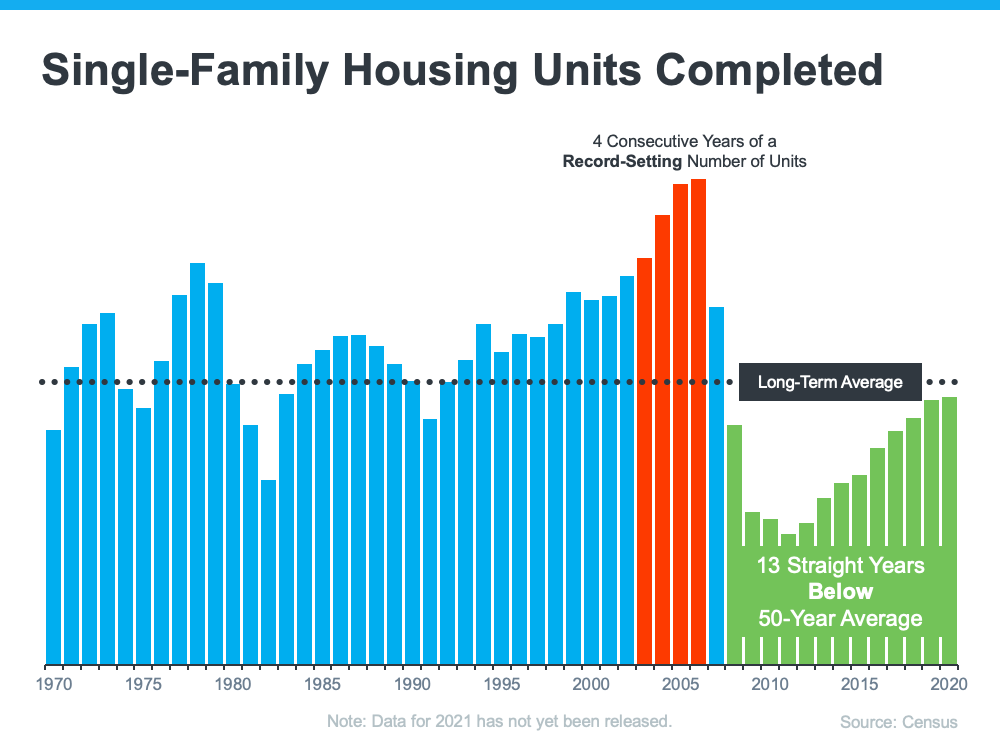
The graph below shows new home construction for single-family homes over the past five decades, including the long-term average for housing units completed. Builders exceeded that average during the housing bubble (shown in red on the graph). The result was an oversupply of homes on the market, so home values declined. That was one of the factors that led to the housing crash back in 2008.

Since then, the level of new home construction has fallen off. For the last 13 straight years, builders haven’t been able to construct enough homes to meet the historical average (as illustrated in green on the graph). That underbuilding left us with a multi-year inventory deficit going into the pandemic.

Buyers Want To Know: Why Is Housing Supply Still So Low? | MyKCM

2. The Pandemic’s Impact on the Housing Market

Then, when the pandemic hit, it fueled a renewed appreciation and focus on the meaning of home. Having a safe space to live, work, school, and exercise became even more important for Americans throughout the country. So, as mortgage rates dropped to at or below 3%, buyers eagerly entered the market looking to capitalize on those low rates to secure a home that would fulfill their changing needs. At the same time, sellers hesitated to put their houses on the market as concerns about the pandemic mounted.

The result? The number of homes available for sale dropped even further. A recent article from realtor.com explains:

Last month, the number of home listings dropped 26.8% compared with the same time a year earlier. This meant there were about 177,000 fewer homes listed in what’s already typically a slower month due to the holidays and colder weather. . . .”

What Does All of This Mean for You?

For a buyer, low inventory can be a challenge. You want to find the home of your dreams, and you don’t want to settle. But what if there just aren’t that many homes to choose from?

There is some good news. Experts are projecting more homes will soon become available thanks to sellers re-entering the market. Danielle Hale, Chief Economist at realtor.com, shares this hope, but offers perspective:

We expect that we’ll start to see a turnaround and inventory will stabilize and start to go up a little bit in 2022. . . . But that means we’re looking at inventory levels of roughly half of what we saw before the pandemic. For buyers, the market is likely to continue to move fast. If you see a home you like, you want to jump on it right away.

Basically, inventory is still low, even though more homes are coming. But you shouldn’t put your plans on hold because you’re waiting for those additional houses to hit the market.  Instead, stick with your search and persevere through today’s low inventory. You can find your next home if you’re patient and focused.

Remember your goals and why finding a home is so important. Those things should be the driving force behind your search. Share them with your agent and be clear about your priorities. Your trusted advisor is your greatest support as you navigate today’s low housing supply to find the home of your dreams.

Bottom Line 

If you’re planning to buy this year, the key to success will be patience given today’s low inventory. Let’s connect to discuss what’s happening in our area, what homes are available, and why it’s still worthwhile to prioritize your home search today.